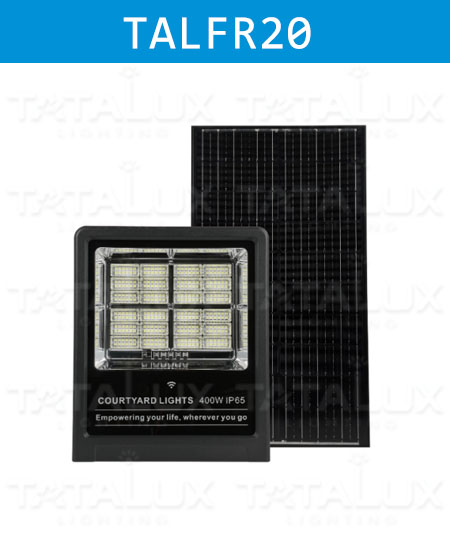
In the contemporary landscape of sustainable urban planning and global industrial development, the commercial LED solar light has transitioned from an innovative alternative to a core infrastructural necessity. Operating as decentralized, carbon-neutral lighting grid modules, these advanced fixtures allow municipal engineers, corporate procurement executives, and logistical facility managers to deploy reliable illumination across perimeters, roadways, and shipping yards without the massive civil capital expenditure traditionally required for ground trenching, copper wiring, and utility grid connections. When sourcing high-efficiency outdoor luminaires from an internationally recognized LED lighting manufacturer and experienced OEM vendor like Tatalux, enterprise buyers secure industrial-grade hardware built to survive punishing outdoor deployments.
However, maintaining the long-term operational efficiency and luminous efficacy of an autonomous lighting network requires a proactive asset management protocol. Like any advanced localized power plant, a solar-powered luminaire is subject to natural chemical aging and atmospheric degradation. Over extended multi-year operational lifecycles, maintenance teams are invariably faced with routine component servicing tasks to maintain compliance with regional safety standards across Europe and South America. The two most critical operational questions that determine the actual return on investment (ROI) of a solar lighting project are: How to replace solar light batteries? How to clean solar light panels? This engineering-grade guide provides step-by-step diagnostic workflows, safety frameworks, and optimization matrices designed to maximize system longevity, preserve battery health, and eliminate premature field failures.
How to replace solar light batteries?
To capture Google Featured Snippets and provide direct utility to field crews, this section outlines the precise, component-level workflow required to safely execute a chemical storage swap inside a commercial LED solar light system. Batteries are the heart of energy storage; when their storage capacity degrades naturally after thousands of charge cycles, replacing them correctly restores the luminaire to its original out-of-the-box performance.
Step 1: Diagnostics and System Power Isolation
Before initiating any physical maintenance, confirm that the battery is indeed the primary point of failure. If a fixture charges during the day but only illuminates for 1 to 2 hours at night before shutting down, the chemical storage cells have reached their end-of-life saturation point and cannot hold a nominal charge. Turn off the external mechanical switch (if the fixture has one) or disconnect the photovoltaic panel lead wire from the main chassis during daylight hours to isolate the circuit motherboard and prevent any unexpected voltage spikes from the solar panel.
Step 2: Accessing the Weatherproof Battery Compartment
Using a precision Phillips screwdriver or Hex wrench, carefully remove the stainless steel retaining screws from the dedicated battery enclosure access panel. Premium fixtures are designed with a separate, isolated battery bay to insulate the chemical cells from heat generated by the LED light engine. Take great care when removing the cover to avoid damaging the specialized silicone or rubber weatherproof gasket seal, which is critical for maintaining an IP65 or IP66 ingress protection rating.
Step 3: Disconnecting and Removing the Degraded Cells
Gently extract the existing battery pack from its structural mounting bracket. Note the exact wiring layout and terminal orientation. Commercial systems typically use either secure plug-and-play quick-connect wire harnesses or direct terminal block screw clamps. Disconnect the negative (black) lead wire first to eliminate the risk of a short circuit against the metal housing, then disconnect the positive (red) lead wire. Safely remove the old battery pack and set it aside for proper industrial recycling.
Step 4: Verifying Specifications and Installing the New Battery Pack
It is vital to check that your replacement cell matches the exact technical parameters required by the internal charge controller. For instance, if the fixture is engineered for a Lithium Iron Phosphate (LiFePO4) 3.2V nominal battery pack with a 24Ah capacity, you must never install a standard Lithium-Ion (Li-ion) 3.7V pack or a legacy Nickel-Cadmium (NiCad) cell. Mismatched battery chemistries will confuse the microprocessor, causing overcharging, severe voltage dropouts, or permanent hardware failure. Place the fresh, matching battery pack into the bracket and connect the positive (red) lead first, followed by the negative (black) lead.
Step 5: Testing the Gasket Seal Integrity and Reassembling the Housing
Before sealing the compartment, perform a quick verification check: cover the solar panel completely to simulate night. The LED array should immediately illuminate to full brightness. Once confirmed, inspect the silicone gasket for cracks, dry rot, or misalignment. Re-seat the gasket perfectly in its machined groove, replace the protective access door, and torque the retaining screws down in an alternating cross-pattern. This ensures even pressure across the seal, keeping external moisture out and preventing internal corrosion.
How to clean solar light panels?
Keeping the glass cover of an integrated or split-type LED solar light panel perfectly clean is the easiest and most effective way to maximize energy generation. Over weeks of exposure to the elements, airborne particulates, heavy industrial dust, bird droppings, tree sap, and sea-salt spray accumulate on the glass surface, forming an opaque film. This accumulation causes severe localized shading, which blocks incoming photons from reaching the underlying monocrystalline or polycrystalline silicon wafers, resulting in a severe drop in charging current.
Step 1: Selecting the Right Cleaning Window and Gathering Professional Tools
Never attempt to clean a solar panel during peak daylight hours when the sun is directly overhead. When intense solar radiation hits dirty, dark glass, the surface temperature can easily exceed 60°C. Splashing cold water onto extremely hot glass induces intense thermal shock, which can cause micro-fractures across the tempered protective glass cover and permanently ruin the water-tight seal. Always schedule maintenance during early morning hours, late evenings, or heavily overcast days. Ensure your crews are equipped with soft microfiber squeegees, telescoping extension poles, clean water, and a mild, biodegradable, non-abrasive liquid detergent.
Step 2: Pre-Rinsing and Removing Heavy Surface Debris
Begin the cleaning process by thoroughly rinsing the solar panel module with low-pressure clean water to loosen and wash away loose dust, dirt, and caked-on mud. Never use high-pressure power washers or industrial blasting sprayers. High-pressure water jets can force water past the rubber seals or create micro-cracks in the laminated silicon layers, causing internal short circuits and terminal corrosion over time.
Step 3: Gentle Surface Scrubbing and Chemical Restrictions
Mix a small amount of mild, pH-neutral soap into a bucket of lukewarm water. Dip a soft microfiber cloth or sponge extension pole into the mixture and gently wipe down the entire glass surface in a uniform grid pattern. Strictly avoid using harsh chemicals: do not use concentrated bleach, abrasive scouring powders, strong acids, or heavy alkaline cleaners. These harsh chemicals strip away the anti-reflective, high-transmittance coatings applied to the glass, permanently reducing the panel’s ability to harvest light even after the glass looks clean.
Step 4: Squeegee Drying and Eliminating Hard Water Spots
Use a professional-grade rubber squeegee blade to pull the residual water off the panel glass in smooth, overlapping downward strokes. This step is particularly critical in geographic regions with hard water supplies or high mineral counts. If the water is allowed to dry naturally under the sun, it will leave white calcium and magnesium mineral spots behind. These hard water stains bounce incoming sunlight away from the silicon cells, creating a permanent obstruction that reduces long-term charging efficiency.
Step 5: Conducting a Post-Cleaning Inspection
Finish the maintenance routine with a close physical inspection of the clean panel assembly. Check the glass for deep scratches, cracks, or chips caused by flying storm debris or vandalism. Inspect the aluminum frame corners for structural separation, and ensure the external cable connectors and heavy-duty conduits are tightly secured with no signs of wear or animal damage. A well-maintained panel ensures the continuous, optimal flow of direct current into your storage system year-round.
Preventative Maintenance and Component Compatibility Matrix
To help asset management teams and industrial field technicians organize their scheduled maintenance routines, the table below outlines critical operational guidelines for managing battery replacements and panel cleaning for an autonomous LED solar light fleet:
| Maintenance Category | Standard Service Interval | Critical Technical Parameters | Key Operational Mistakes to Avoid |
|---|---|---|---|
| Photovoltaic Panel Cleaning | Every 3 to 6 months (Quarterly in dusty or industrial industrial zones) | Use pure, low-pressure water and soft microfiber squeegees. Maintain a clean glass surface to maximize diffuse light capture. | Cleaning during peak midday heat (causes thermal shock cracks); using abrasive wire brushes or harsh chemical solvents. |
| Battery Cell Replacement | Every 5 to 10 years (For advanced high-cycle LiFePO4 packs) | Ensure perfect matching of chemical profiles (Voltage, Ah capacity, and BMS communication links). | Mixing different battery types; over-tightening or striping casing screws; damaging the rubber waterproofing gaskets. |
| Ingress Seal and Gasket Testing | Annually (Typically bundled with scheduled battery checks) | Verify silicone elasticity; ensure even cross-torque distribution on housing fasteners. | Re-using cracked, dried-out gaskets; failing to clear debris from the sealing tracks before reassembly. |
| Cable and Conduit Inspection | Every 12 months | Check wire insulation integrity; confirm that heavy-duty waterproof connectors are fully seated and locked. | Leaving exposed, loose wiring strands vulnerable to wind friction, wildlife damage, or UV breakdown. |
Tatalux Premium LED Solar Light Solutions and OEM Manufacturing Excellence
Minimizing the time and money spent on field maintenance starts with sourcing high-quality products from an experienced manufacturer. Tatalux is an industry-leading LED lighting manufacturer and professional OEM vendor with decades of export experience, serving high-volume distributors, infrastructure developers, and industrial suppliers across South America and Europe.
In addition to our exceptional monthly production capacity of 3 million Compact Fluorescent Lamps (CFL), Tatalux produces a world-class line of commercial LED lighting systems. Our massive manufacturing scale allows us to enforce strict quality control standards and run comprehensive batch testing on every LED solar light system we build. This means every fixture arrives at your job site with premium monocrystalline silicon panels and durable LiFePO4 chemistry designed to handle harsh outdoor environments with minimal maintenance.
When you choose Tatalux as your primary OEM partner, you gain access to a full suite of professional services tailored to streamline your sourcing and accelerate your market growth:
- High-Quality OEM Product Customization: We engineer tailored lighting solutions built to your exact specifications, offering customized lumen outputs, targeted optical lenses, custom branding, and expanded battery storage capacities.
- Professional Pre-Sales Support & Technical Consultations: Our seasoned application engineers provide full Dialux photometric layouts, lighting project simulations, and wind-load calculations to ensure perfect field deployment.
- Complimentary Artwork & Branding Services: Our in-house design team crafts eye-catching retail packaging, detailed technical manuals, and branded instruction sheets at no extra cost, making your inventory market-ready from day one.
- Standardized Order Execution Protocols: We employ strict milestone tracking to guarantee clear communication, on-time manufacturing delivery, and dependable shipping coordination across all global trade ports.
- Professional Marketing Advice & Global Compliance: Leverage our deep knowledge of international trade trends and product certifications to secure a distinct competitive edge in your local market.
At Tatalux, quality and global compliance are foundational. Sourcing lighting assets for complex regulatory regions like Europe and South America requires strict adherence to international safety directives. The vast majority of our premium LED product lines carry official CE-EMC and LVD approvals. These certifications guarantee that our internal high-frequency charging circuits are fully shielded against electromagnetic interference and built to comply with strict safety standards, giving you complete confidence and absolute peace of mind in the field.
Frequently Asked Questions (FAQ)
Streamline Your Supply Chain with Reliable Tatalux LED Solar Light Systems
Are you tired of dealing with underengineered, low-grade outdoor lighting fixtures that experience early battery failures, lose charging capacity due to cheap panel coatings, or leak moisture after a single rainy season? Eliminate high field maintenance costs and protect your project investments by partnering with a premium manufacturing vendor. Whether you need custom commercial builds or high-volume OEM distribution stock, Tatalux delivers the massive production capacity, international CE certifications, and reliable field performance your business demands.
Don’t let subpar product quality compromise the safety and security of your facilities. Contact our professional B2B consulting team today to receive a free Dialux photometric lighting simulation, complimentary branding artwork layouts, and an exclusive direct-from-factory wholesale quotation tailored exactly to your technical specifications.